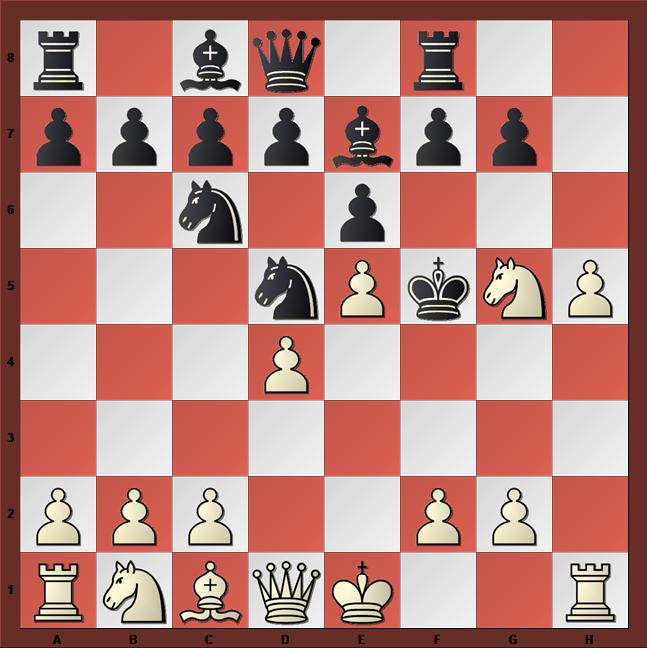
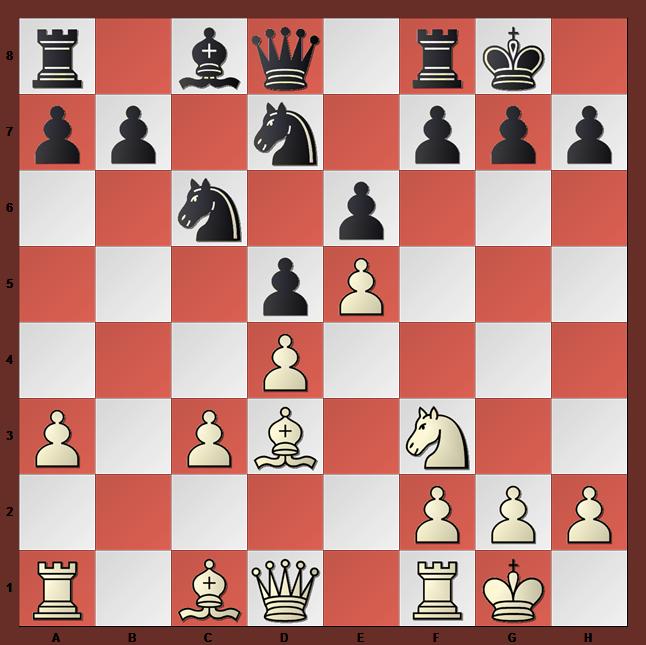
There is a recent series of articles on attacking chess tactics by my colleague teaching you in detail about the positional requirements and the chess tactics for Bishop sacrifice at h7 to break open the Kingside castle of the opponent for a quick win.
Nice articles though they were, I was peeved at his giving all the fun to the White player. Why the poor Black should always be at the receiving end? A little more of it and very soon we may get blamed for having a color prejudice!
So I started looking for some game where Black turns the table and pays White in a similar coin, a White who learned the tricks from the aforesaid articles and felt that he could get away by breaking into someone’s home!
The game was played between Eric Lundin and Isaac Boleslavsky in the Groningen tournament of 1946. It is not exactly in the line as described to you in the aforesaid articles, and the sacrifice starts with a Knight and not a Bishop, but the ideas are similar (which is why I said ‘a similar coin’ instead of ‘the same coin’)!
Eric Lundin (1904-1988) was a ten times winner of Swedish Championship. Over a span of 30 years from 1930-1960, he represented Sweden in nine Chess Olympiads. He received IM title in 1950 and an Honorary GM title in 1983.
Isaac Boleslavsky (1919-1977) won the Ukraine Championship in 1938. He came into prominence after World War 2 and became the first plyer ever to remain undefeated in the Candidates’ tournament in 1950 for selecting the next challenger to reigning World Champion Mikhail Botvinnik. After remaining tied with David Bronstein in this tournament as also in the 12-game playoff match, he lost in the second tie-break game. He later devoted his time to coaching. He made several contributions to opening theories in King’s Indian and Sicilian Defense. He was awarded the GM title in 1950.
The game was played with the opening of King’s Indian Defense and if you see the Black player’s expertise in this area, you will realize why he could teach a thing or two to White in the conduct of the game!
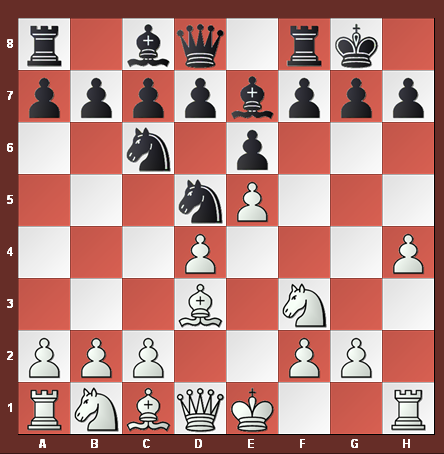
The diagram shows the position after 18 moves have been played.
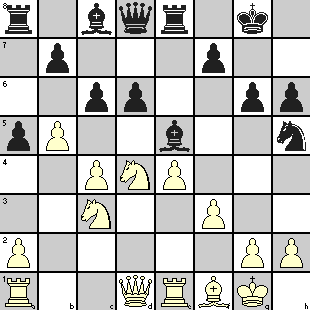
At first sight, it may not look like a storm brewing. But if you note the open Bishop diagonals with Black’s KB targeting h7, QB having a control on c8-h3 diagonal though sitting at his home (which may have made the position look innocuous), White’s Queen ready to join his Knight sitting pretty at h5 and above all, White pieces in very passive positions posing no immediate counter-threat, the situation was asking for trouble! In fact, when you play through the game given at the end, you will find that through the previous few moves and unwise exchanges, White handed over the initiative to Black.
This is how Black demolished White’s position within a few moves.
| 19. | Qd2 | Qh4 | Black threatened 20. … Bxh2# | |
| 20. | g3 | Nxg3 | ||
| 21. | hxg3 | Qxg3+ | If 21. Nde2 then 21. … Nxf1 threatening the Queen as well as 22. … Qxh2#. If 22. Kxf1 then 22. … Bh3+ 23. Kg1 Qh2# | |
| 22. | Bg2 | Bh3 | White resigned. |
Black’s threat of Qxg2# needed White Queen or Rook on 2nd rank and this could be exploited by Black in several ways.
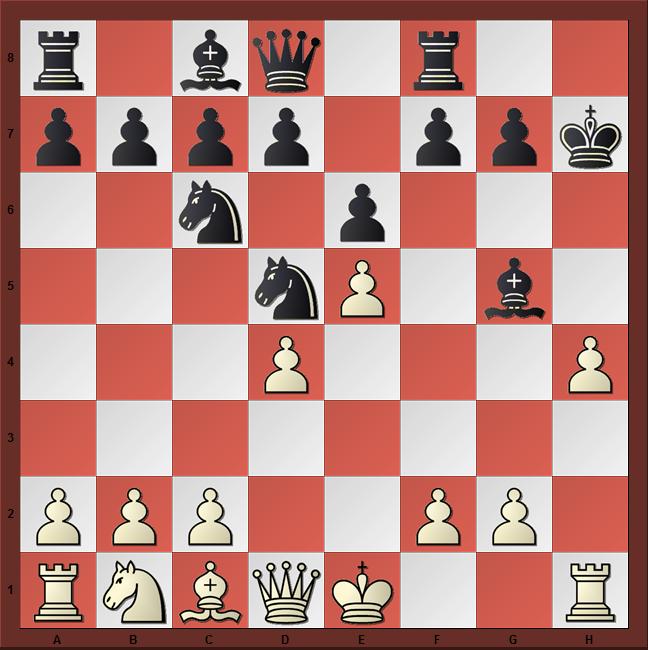
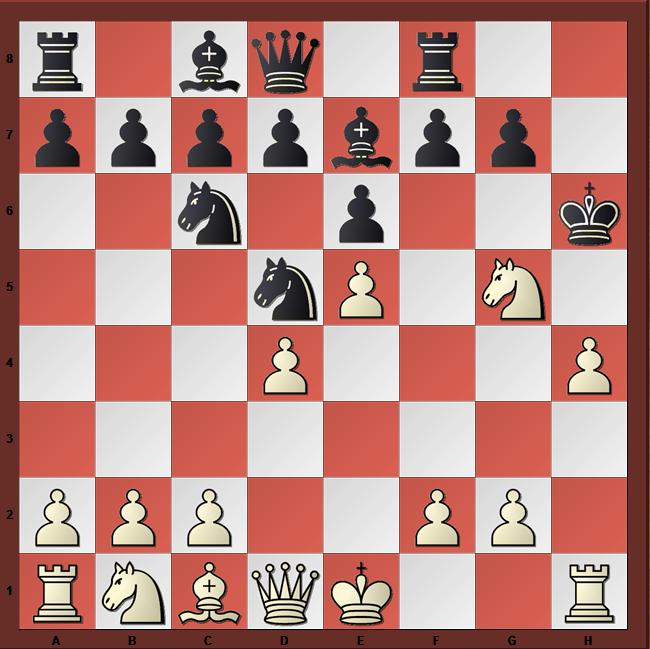
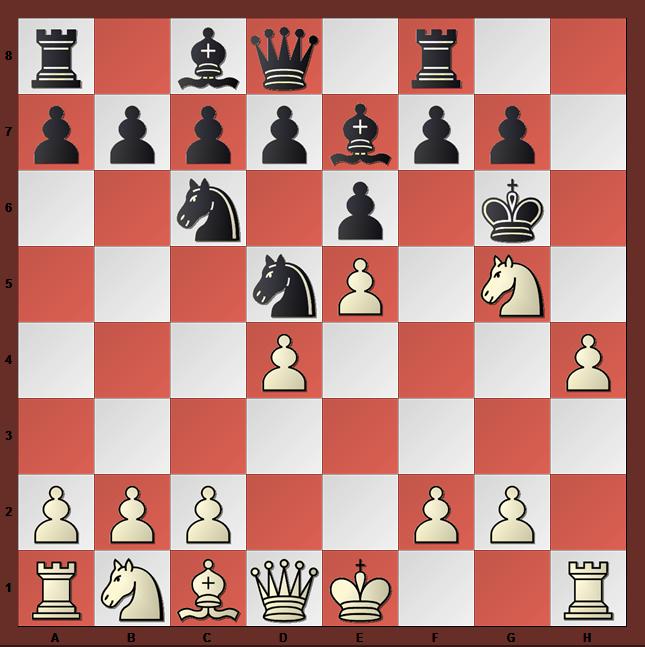
To prevent 23. … Bxd4+ 24. Qxd4 Qxg2#, White could try several optins all resulting in checkmate or material loss to give win to Black e.g.
23. Re2 Qh2+ 24. Kf2 Bg3+ 25. Kf1 Qh1#.
23. Re2 Qh2+ 24. Kf2 Bg3+ 25. Ke3 Bf4+ loses Queen
23. Re2 Qh2+ 24. Kf1 Qh1+ 25. Kf2 Qxg2+ 26. Ke3 Bf4+ 27. Kd3 (27. Kxf4 Qg5#) Bxd2 28. Rxg2 Bxg2 29. Kxd2 c5 30. Nde2 Bxf3 wins.
23. Qf2 Bxd4 loses Queen.
23. Qe2 Qh2+ 24. Kf1 Qh1+ 25. Kf2 Bxd4+ 26. Kg3 Be5+ 27. Kh4 g5+ 28. Kh5 Bg4+ 29. Kxg4 Qh4+ 30. Kf5 Qf4#.
23. Qe2 Qh2+ 24. Kf1 Qh1+ 25. Kf2 Bxd4+ 26. Kg3 Be5+ 27. Kf2 Qxg2+ 28. Ke3 Qxe2+ 29. Rxe2 Bxc3 (29. Nxe2 Bxa1 30. Rxa1 Be6) 30. Rh1 Be6 31. Rc2 Bg7 (31. Rxh6 Bxc4 32. Rc2 Bg7) wins.
23. Qc2 (or Qb2) Qh2+ 24. Kf1 Qh1+ 25. Ke2 Qxg2+ 26. Kd1 Bxd4 27. Rc1 Qxc2+ 28. Kxc2 Bxc3 29. Kxc3 cxb6 wins.
In the articles explaining the nuances of Bishop sacrifice with many types of situations, you should understand that it is rarely possible to make it exhaustive as the variations can be so many. What is important for you is to understand the principles that make such diagonal attacks work and you should be able to identify when such situations arise and modify the basic tactics as per the position. In the present example, though considerably different, most of the pieces involved were same viz. Queen, Knight and two Bishops, the position offered open diagonals, and the attacked side did not have minor pieces close at hand that could help in defending the castle. If you have the ingrediemts and know the recipe (the attacking tactics adapted to the variables), you can always cook up something! And as they say, practice makes perfect!